
museletter ⟠ by err, end well
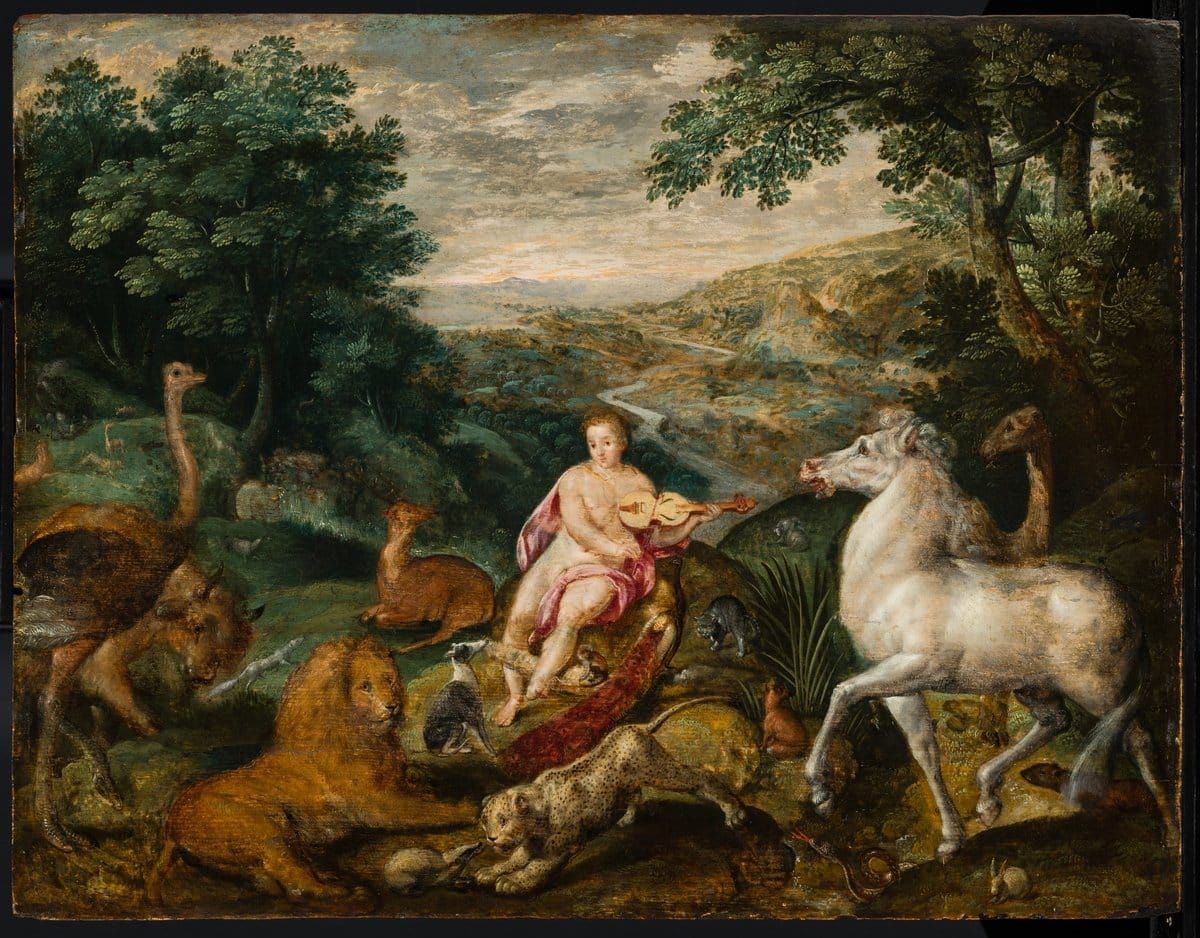
Have I ever told you of my predilection and fondness for the notion of nominative determinism...? I probably have. It’s that phenomena whereby a person’s name appears to have an uncanny influence on their fate. It’s a pseudoscience, of course—but it’s also not only that.
Btw, these things wend. If you’re looking for a “quick hack” or, heavens forfend, some actionable “advice”—ye shall be disappointed. But if you’re up for the kind of wander that may stumble upon wonder—you’re in good company.
“Whoever the gods of fortune are, they will drop things in your path, but if you search for those things you will not find them.” – Lewis Hyde, Trickster Makes This World
Regular readers—warmth to you! In this museletter I finally point to “The Skulk”—a hideaway, school & guild for liminal agents—in the fifth PS.
Nominative ‘determinism’
Now, let me give some of my favourite examples:
- Walter Russell Brain aka “Lord Brain” was a neurologist and editor of the journal Brain
- Jules Angst was a Swiss psychiatrist whose career was the epidemiology of anxiety and mood disorders
- “Splatt and Weedon” two Australian medical researchers who published a urology paper on incontinence and urethral syndrome
- Usain Bolt, the Jamaican runner, who sure could bolt
- Layne Beachley, the 7-times world champion Australian surfer (whom I have met and hung out with a few times—she’s great!)
- Soon Park, the founder and CEO of iKamper (a company that makes rooftop tents for cars) is someone who, I assume, will soon park at a good park to camp in (eh? eh? okay I do get carried away sometimes; this is a Korean name)
- Bill Plotkin, the founder of the Animas Valley Institute, whose work helps us find our unique niche and role within the wider ecology and unfurling story of Earth community
I could go on. That last one is magic, though. O to find and be kin within a greater plot! A plot of land, sure—and the infinite and ineffable plot arc of a greater story. How cosmo-erotic.
I love it. But/and... “nominative determinism” (as a term) may be a little heavy-handed as a descriptor for such phenomena. Does a name really determine one’s fate? As I say, it’s not a hard science—it’s a pseudoscience (which is categorically The Best Science!—if we are honest about it). “Determinism” implies a pre-determined fate. But this is the ‘fatalism’ kind of fate; the kind that can open the gateway to nihilism (which is fatal to hope). This is not the philosophy that guides the Wyrd Work™ I do.
(Do readers understand that when I use the trademark symbol it is done with sincere-irony? I wonder.)
From a ‘wyrd’ or fae magic perspective, Naming has a shaping effect. To Name something doesn’t fix or guarantee an outcome. But it does shape probability within the Field. A field in which consciousness is participating. Such magic cannot do the impossible—it cannot violate the Laws of Nature, nor impinge on others’ freedom and will. But it can shape things. Skew things.
Name a child “Boofhead” and it is, perhaps, unlikely that they’ll grow to be a scholar or magician. Or perhaps they will! Especially if Trickster has anything to say about it. The web of wyrd wends wondrously. (Fun fact, the main character from Raymond E Feist’s classic book The Magician was given the rather pugilist name, “Pug”—and clearly that didn’t stop him from becoming a great magician.)
So: Names do not determine; they shape.
And some names are particularly apt. Ergo—
“Aptronym” is the more apt term
Except well, yes—but not quite.
Aptronym is a noun for when a person’s name is “amusingly appropriate” to their occupation. It drops the causal claim that nominative determinism brings—but perhaps the pendulum swings too far the other way. Aptness-of-name being a quality only realised after the fact.
Something like “Oh, haha, fancy that! That’s weird.”
Nay: it’s wyrd.
And besides—aptness can be anticipated and imbued in advance.
To switch to mundane speak for a while, the magic of Naming is vitally important within Enterprise Land. I remember one client worked with a consulting firm to bring in a leadership program, with the goal of unifying three teams after a recent merger. It was essential for senior executives to be on the same page, as the respective systems and ways of working that each had been accustomed to were incompatible—resulting in negative synergy, antagonism, and obstinance.
And so more than three quarters of a million dollars was invested into the kind of leadership program only a consulting firm could conjure. It was bulked up with deliverables: a custom brand with a custom website and a custom in-house app with custom infantilising workbooks and online training modules—you name it. These guys knew how to fleece an enterprise.
But they named the program “Foundations of Leadership.”
I don’t know if this was one of those death-by-committee collaboration names, or if it was just the safe-to-buy “genius” of the consulting firm.
The result, of course, was... no senior executive would waste their time on something like a foundational leadership program. That’s basic 101 shit.
And so this expensive and costly endeavour only served to exacerbate the underlying conditions. Senior leaders didn’t attend, which signalled to their teams it was a waste of time.
Had they named the program something else—had they embraced the surreptitious obliquity that allows space for solutions to emerge (rather than be manufactured or imposed)—then maybe they could have saved a lot of money and time.
I’m not saying the name of the program was all to do with this—but it was a factor.
The Magic of Naming
I have a 70+ video course that I am currently sunsetting (and moving into “The Skulk”). The thrust of this program is to help you find and Choose One Word to serve as “a fuzzy contextual beacon” to guide you in the next chapter of your life. It will endure, but I am also conjuring something better.
Suffice to say; Naming is important magic. One does not simply Name things willy-nilly. And likewise, one must also sometimes protect vital things from naming, lest they become commodified and captured.
You’ll note the difference between “Naming” and “naming,” here. I don’t want to get into the magic of “True Names,” here—for such is often used to control or coerce. Ursula K Le Guin knew the sensibilities of this.
But I do want to suggest that there is a difference between Naming and merely naming. Ha, I probably sound like a broken record. I was about to share that excerpt from my friend Tyson Yunkaporta—the one I shared in The perils of declaring a “purpose”. My natal retrograde Mercury combust doth hath me like to circle back, chthonically.
 Dr. Jason Fox
I also shared the same quote in my museletter on Hiding in Plain Sight.
 Dr. Jason Fox
And again in this piece on Why I’m ‘helping’ executive teams with agentic AI.
 Dr. Jason Fox
I should probably just share the quote again, but I’ve become too self-conscious now. Suffice to say that, as with any magic (or power), we must act with some care.
One of my favourite examples of Naming comes from Dave Snowden—a chap who would likely bristle at my cavalier love of (honest) pseudoscience and wanton use of terms like “magic.”
Dave Snowden, as you likely know, is the creator of The Cynefin Framework (now expressed as a triquetra). He could have called it any number of lame names that would have had more immediate face validity and surface legibility. Names like “The Contextual Decision Matrix” (The CDM), “The Complexity Decision Framework” (The CDF), or even “The Snowden Model.”
But he did something better—something I didn’t do with the “Quest-Augmented Strategy” framework in my now decade-old book. Dave Snowden named his framework—which remains one of the most useful napkin-drawable ontological typologies of causal regimes we have available (I love it)—The Cynefin Framework.
In a post on the origins of the name (from 16 years ago), Snowden writes:
“I originally got the idea of the name from the preface to Kyffin Williams: The Land and the Sea (Gomer 1998) and these are the words I used in the first article to use the name:
Cynefin is a Welsh word with no direct equivalent in English. As a noun it is translated as habitat, as an adjective familiar, but dictionary definitions fail to do it justice. A better, and more poetic, definition comes from the introduction to a collection of paintings by Kyffin Williams, an artist whose use of oils creates a new awareness of the mountains of his native land and their relationship to the spirituality of its people: “It describes that relationship: the place of your birth and of your upbringing, the environment in which you live and to which you are naturally acclimatised.” (Sinclair 1998). It differs from the Japanese concept of Ba, which is a “shared space for emerging relationships” (Nonaka & Konno 1998) in that it links a community into its shared history – or histories – in a way that paradoxically both limits the perception of that community while enabling an instinctive and intuitive ability to adapt to conditions of profound uncertainty. In general, if a community is not physically, temporally and spiritually rooted, then it is alienated from its environment and will focus on survival rather than creativity and collaboration. In such conditions, knowledge hoarding will predominate and the community will close itself to the external world. If the alienation becomes extreme, the community may even turn in on itself, atomising into an incoherent babble of competing self interests.”
Cynefin. Do you see how apt the name is? The aliveness that is maintained in the Naming? The way that the Name itself evades capture?
Snowden articulates that “Names are important, they impart power, anything of value deserves more than a phrase or acronym.” Further, if you Name something too legibly, it will then trigger the associated meanings that come with the word—which has the effect of muddling meaning (rather than clarifying it).
“So that is where [Cynefin] came from,” Snowden writes. “You probably do have to have poetry in your soul to understand it, along with a realisation that names are not the same thing as definitions. It doesn’t obscure, it makes you think, challenges literal definitions and allows deeper meaning to emerge.”
Poetry in your soul
Would you believe that the preceding ~3,400 words were simply preamble? Now begins the amble. (Or rather, the perambulation.)
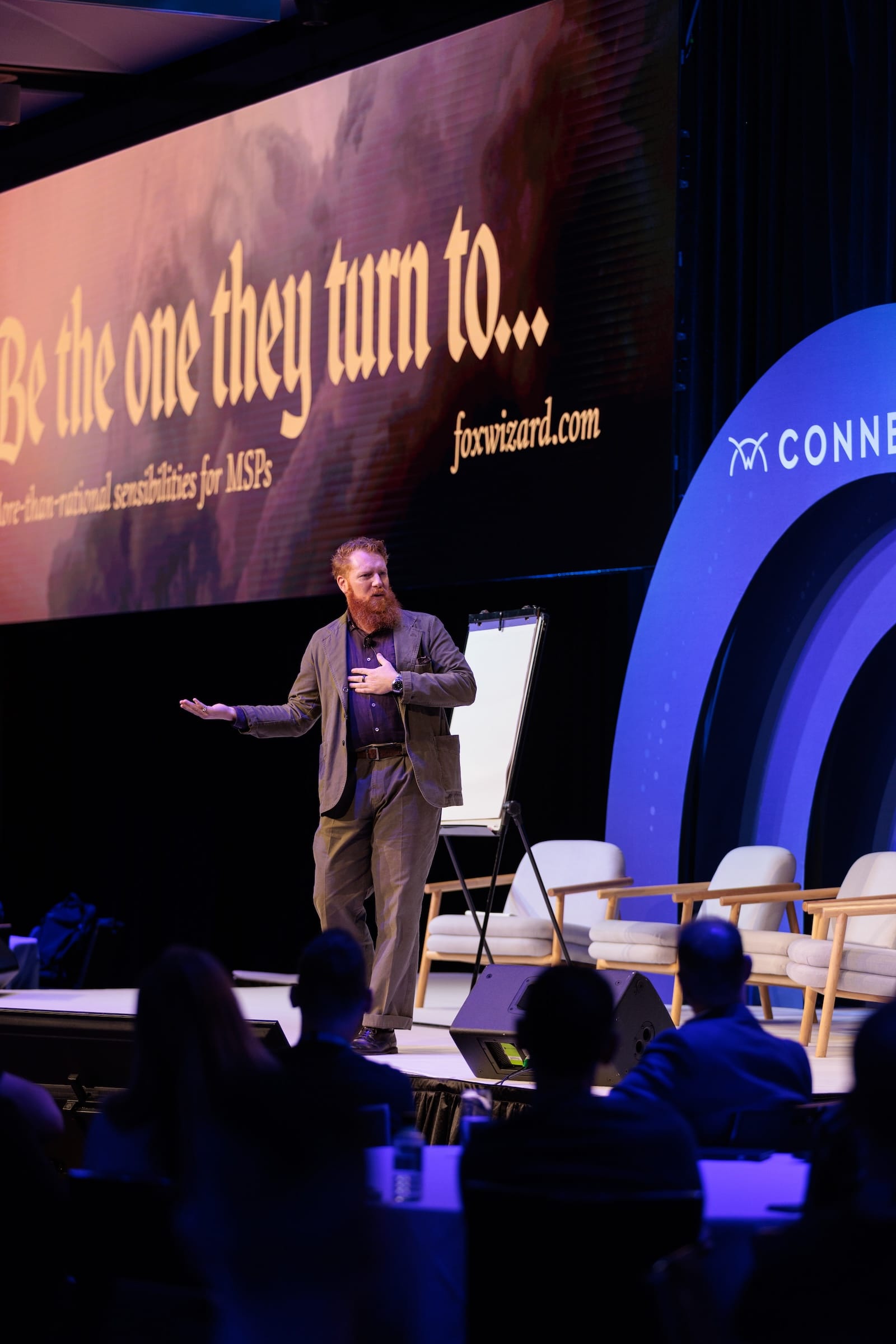
I wanted to honour the poet Wendell Berry, who passed away at the end of last month, and whom I oft recite. I did so recently at an event in Sydney.
Now, talk of an aptronym! Wendell Berry.
Berry brings to my mind the wild strawberry in that Zen koan, wherein someone is being chased by tigers. As they run they come to the edge of a cliff. They see some vines and begin to climb down. As they hold on to the vines they look down to see more tigers at the base of the cliff. As they look up they see the tigers there—but they also notice a white and a black mouse gnawing away at the vine that they are holding. Caught between the tigers above and the tigers blow, and whilst clinging to a vine that will soon break, they then notice a little patch of wild strawberries growing close to them. They look to the two mice whilst plucking a strawberry, and putting it in their mouth. How sweet it tasted!
Would having “Berry” in one’s name have them predisposed to notice the sweet gifts of Life? It certainly seemed to be the case with Wendell Berry.
But O, to wend. To go in a specified direction slowly, and via an indirect route. In a recent museletter I shared that I’d like to one day write a book titled TAKE YOUR TIME—the case for wending.
This is the opposite to the prophecy speak of Silicon Valley folk like Paul Graham, who say things like this:
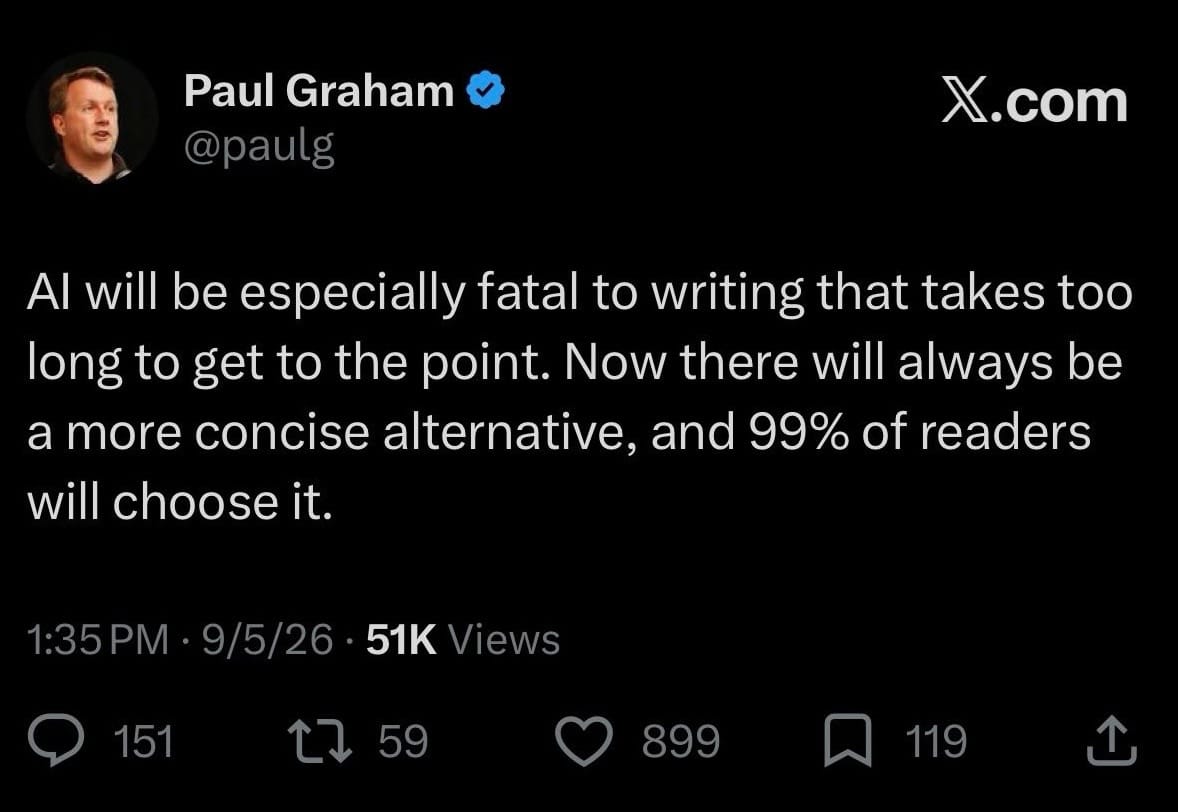
Sure, many—far too many—people will continue to seek the natural energy gradient that comes from convenience. Why read a book or wending museletter when you can just cut to the chase and read the summary? In fact, why read individual summaries when a large language model can summarise-in-aggregate? Heck, why even think at all?
This is how we optimise our way to oblivion. An obsession with efficiency, shortcuts, and hacks that only lead to a hollowing. Avoiding friction and discomfort and other aspects of Life that have us develop and deepen. Bah!
In Gurdjieff for a Time-Between-Worlds the metamodern integral theorist polymath Layman Pascal relays the Armenian philosopher and dancer Gurdjieff’s enlightened scorn for conventional, pleasant and easy-to-read writing.
“[...] All of these critiqued streams of information skew toward being easily recognized and easily consumed. That does not immediately sound bad but there are studies indicating that children raised in wild environments, where they constantly have to make careful distinctions between gnarly, overlapping and camouflaged objects, have much better sensory acuity that those raised in urban environments where the STOP sign and the ‘Golden Arches’ are built to send very simple message that require almost no effort to detect). It makes us clumsy, dull and weak in certain ways.
When communication signals fit too readily into our pre-existing cultural habits and symbolic niches they may cease to provide us with semantic nourishment while also encouraging the slow degeneration of our perceptual and interpretive capacities. Junk food is terrible for you but addictively easy to consume. So Gurdjieff observes that our constant diet of information junk food puts us at risk of becoming inwardly dormant, lulled into a non-comprehension that fails to notice its dire condition because everything feels so familiar and accessible. We specifically don't get it from the materials that make us feel that we ‘obviously get it.’”
Layman’s writing always has a wily alacrity to it; something to relish. And Gurdjieff’s writing is far from ‘easy’ to read—and that’s the point. How else might we overcome our machine-like automaticity if not via our willingness to do The Work? “The mind that is not baffled is not employed,” is a line I do love to recite from Our Real Work by Wendell Berry. “The impeded stream is the one that sings.”
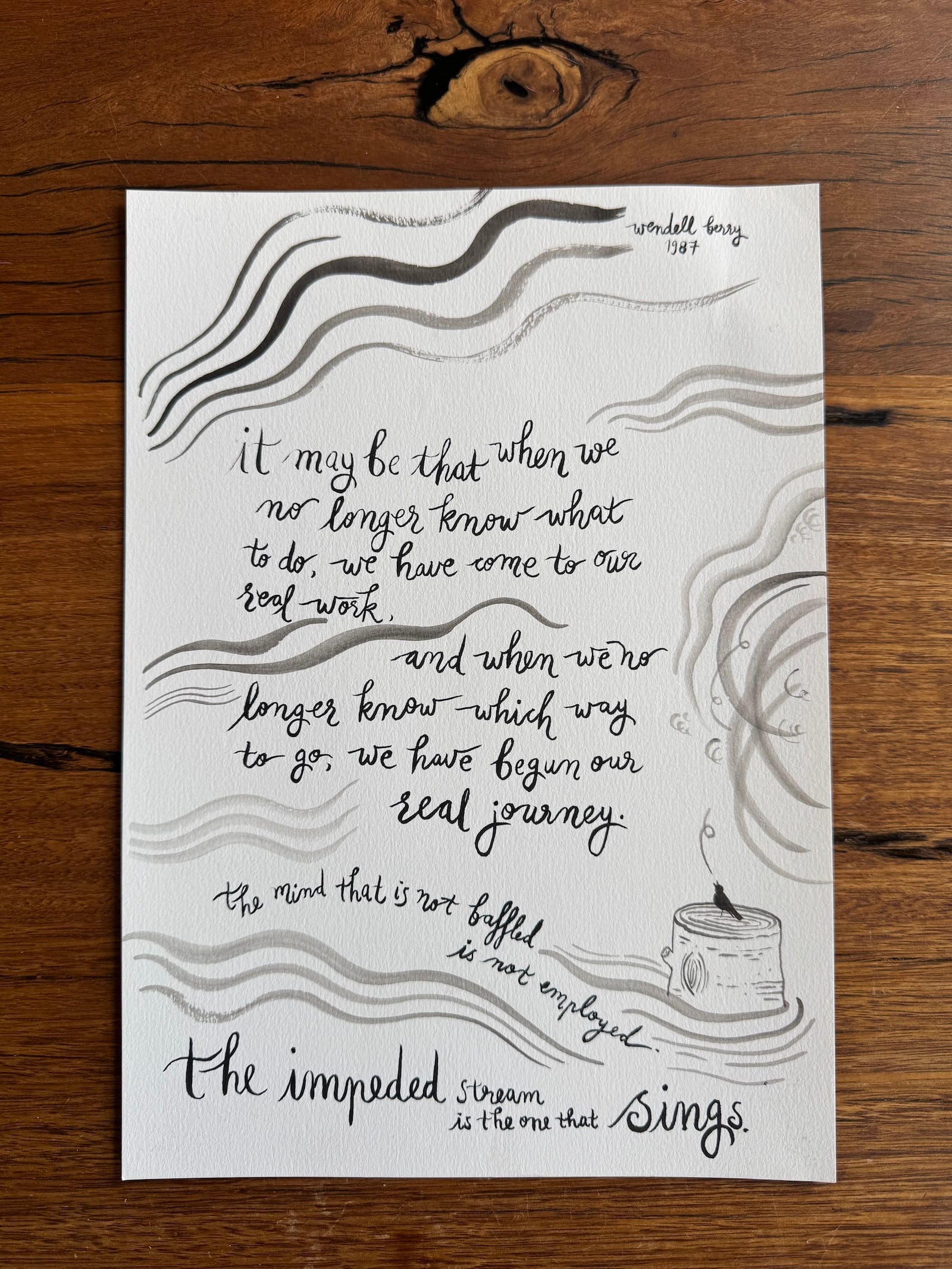
Look—that flower, over there. The way the reflected light plays upon it. Do you hear that bird?
I do love wending. I don’t want to become a more productive and efficient and machine-like, despite the prevailing gradient of our times. Neither did Wendell.
“It is easy for me to imagine that the next great division of the world will be between people who wish to live as creatures and people who wish to live as machines.”
—Wendell Berry, Life is a Miracle
This, btw, is very similar to a line that Dr. Iain McGilchrist shared in a recent lecture.
“My greatest fear is not that machines will become like human beings. My fear is that human beings will become like machines.”
Indeed, it’s already happening. Our task—if I were to telegraph my next book—is to step up and into Mythic Mode. To each be a True Human, as Samantha Sweetwater might suggest. Not to descend further into our machine mode.
In his lecture, McGilchrist says:
“Protect the unmeasured parts of your life. Read beyond the headline. Look at a face without reaching for a screen. Make something that may never be seen. Sit with a question that offers no immediate reward. Defend the right of others to think aloud, especially when their words unsettle you.
The Machine wins only when we ask how to be useful before asking how to be good. The soul wins whenever a human being refuses to become an instrument and chooses, once again, to become fully alive.”
Poetry in your soul.
Wendell Berry had a sense of such things; he had supped from the cup of sorrow that comes with loving Life and knowing the path we (as a species) are accelerating along. He could see to where our technological fundamentalism is taking us.
In his short essay Why I Am not Going To Buy A Computer (published in 1987), Wendell writes:
“I do not admire the computer manufacturers a great deal more than I admire the energy industries. I have seen their advertisements, attempting to seduce struggling or failing farmers into the belief that they can solve their problems by buying yet another piece of expensive equipment. I am familiar with their propaganda campaigns that have put computers into public schools in need of books. That computers are expected to become as common as TV sets in ‘the future’ does not impress me or matter to me. I do not own a TV set. I do not see that computers are bringing us one step nearer to anything that does matter to me: peace, economic justice, ecological health, political honesty, family and community stability, good work.” (emphasis mine)
He concludes with a list of standards for technological innovation in his own work. I’m wary of the sheer volume of quoting I do—it’s an honouring affliction—but something things are too apt to paraphrase. And so:
“To make myself as plain as I can, I should give my standards for technological innovation in my own work. They are as follows:
1. The new tool should be cheaper than the one it replaces.
2. It should be at least as small in scale as the one it replaces.
3. It should do work that is clearly and demonstrably better than the one it replaces.
4. It should use less energy than the one it replaces.
5. If possible, it should use some form of solar energy, such as that of the body.
6. It should be repairable by a person of ordinary intelligence, provided that he or she has the necessary tools.
7. It should be purchasable and repairable as near to home as possible.
8. It should come from a small, privately owned shop or store that will take it back for maintenance and repair.
9. It should not replace or disrupt anything good that already exists, and this includes family and community relationships.”
How would you say we are doing, with regards to the technological innovations we see today? Do they meet these standards? #rhetorical
This list shares much overlap with Ivan Illich’s Tools for Conviviality (published in 1973). Particularly that last point. “I choose the term ‘conviviality’ to designate the opposite of industrial productivity,” Illich writes.
Ours is a society that optimises for industrial productivity. This is the logic of The Machine.
But! Having recently spoken at the “IT Nation” event for ConnectWise (a good Name, for a corporate, btw—better wyrd shaping influence than a name like “Salesforce,” unless you like to force your sales), ahem, having recently spoken at this event, let me tell you: most of the folk I met want convivial tech. They’re greatly concerned with our trajectory—they can see it, too. And, to my mind, they are exactly in the right place to shape how it unfurls, via the myriad subtle significances that we each can influence. Or so I like to believe.
Of course, it could be that my aura attracts folk of such a disposition into my orbit; my sample may not be entirely representative.
But there is a groundswell happening, right now. I can feel it.
I’m not particularly hopeful—not in the short nor mid-term—but I am heartened. I am heartened because I am seeing more and more of us moving from ambition to vocation, and moving with resolve to embody and enact roles in which we are of service to something greater than ourselves. (Or maybe this is hope? The resolute kind.)
Reading poetry helps with this. Even better; inhabiting poetry, and committing some works to heart (and then thus to memory) as my friend Matthew Stillman teaches. Even better.
 Matthew Stillman
Now, Tom Hirons—another poet I greatly admire—recently shared this piece from Wendell on LinkedIn. Yes, LinkedIn! There are beacons to be found, even amidst the wastelands. He wrote:
“Of all the poems of his that will be shared in the days and weeks to come, this is the one that's most with me today as I sit with my sons – 11 and 7 now – at 7am. I’ve been writing for an hour in the day’s early, still gloom, moving along a tide of world-family-self and back again.
While WB’s poetry is – of course – a rich feast for anyone (and not just the pieces in The Peace of Wild Things), do take a look at his essays, too, if you can. You could start with The Hidden Wound.
RIP Wendell Berry. From what I know – and from what I’ve found in your words – I see that you were a friend of life and land, and one who did your best to speak truly about this world and being alive. I pray you find good land and convivial company in some Great Beyond.”
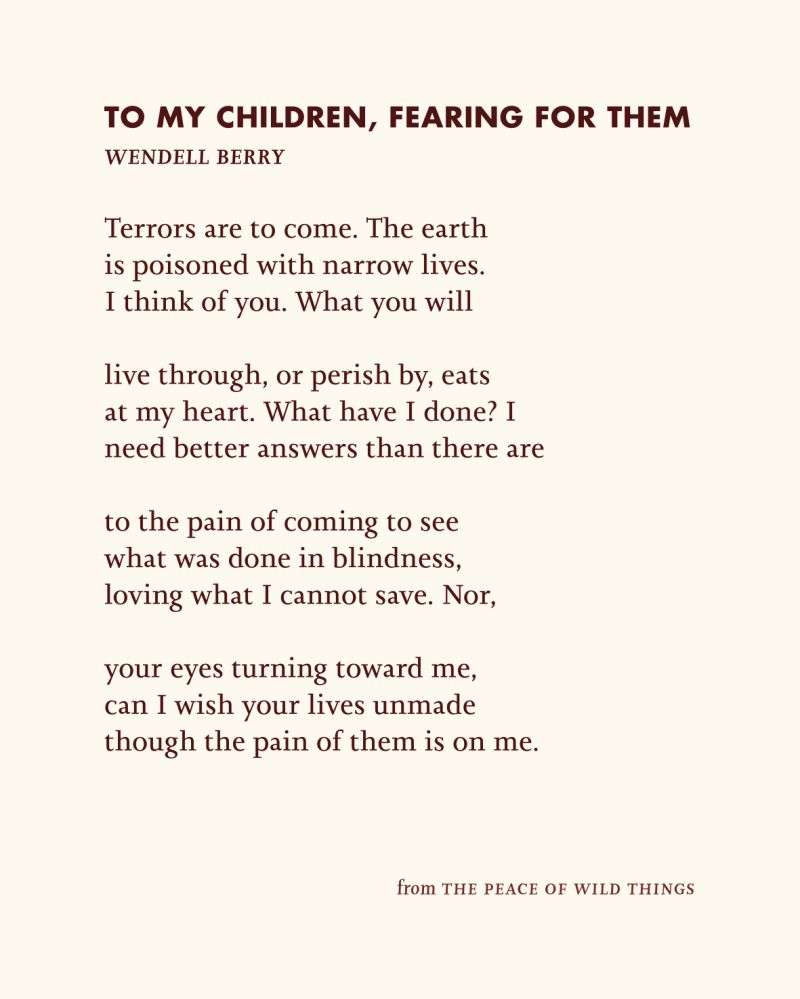
Narrow lives driven by narrow goals.
“The situation is terminal,” my friend Kelly Butler says. “When we recognise the outcome is non-negotiable, the question becomes: how will we get there?” I could have these words as a poster in my room to be reminded of each day.
Kelly further adds: “This is not demoralising news. It’s a call to purpose, to discover meaning in our days, to become more deeply human. That life is finite is a feature, not a flaw. Anything of a limited quantity is considered precious or valuable, and in our death-denying culture we often forget being alive is its own time-limited miracle.”
Thank you for joining me on this wending path.
An anagram of Wendell Berry is:
By err, end well.
And so we shall.
—fw
It would have been so elegant and apt for me to end the museletter there—alas, I have more to share. And hey, count yourself lucky—this could have been a dozen seperate emails. This is to be preferred, right?
PS: Another honouring
My internet acquaintance-friend Michael Garfield wrote a lovely honouring of Wendell Berry.
 ✨ Michael Garfield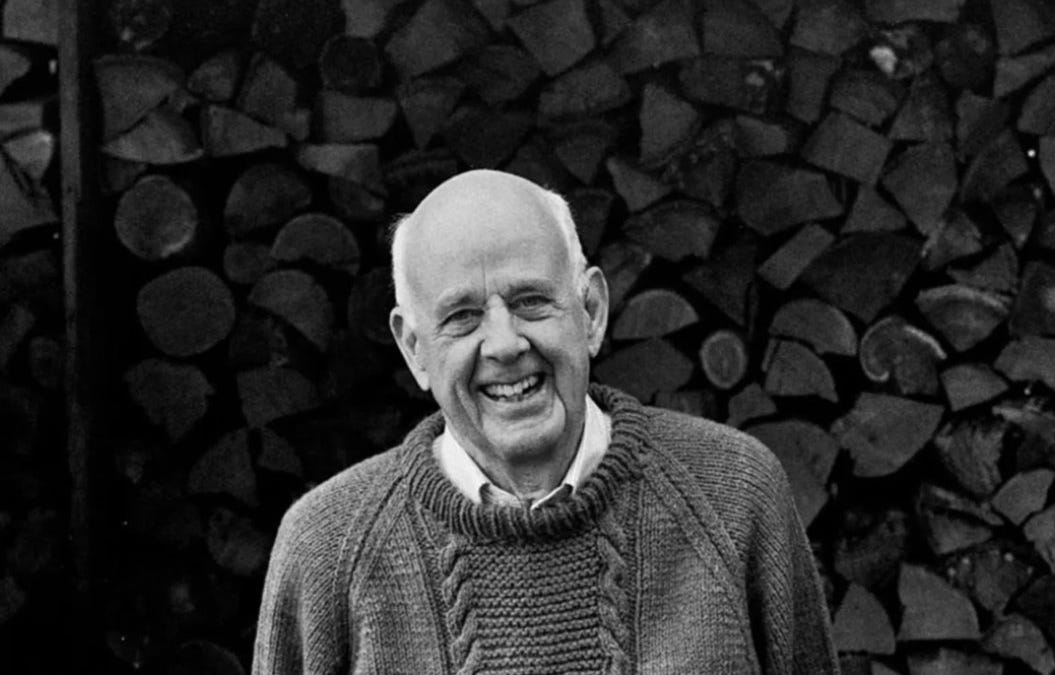
PPS: Benevolent bafflement
The AHRI event I spoke of in my last museletter (into the storm, again) went quite well. I recited Our Real Work by Wendell Berry, as I oft do. And I evoked the notion of vocational calling (that which lies beyond ambition), as I tend to do these days. The result was a kind of unsettling alchemy; baffling and generative. Enlivening for some, and perhaps ontologically disturbing to others. It was a keynote that did seed-planting that may take months to germinate, rather than the fairy floss of instant uplift. Let’s see how things unfurl.
PPPS: The Wizardly Riverwalk
My wondrous friend Michael Bungay Stanier (MBS) and I successfully took a band of folks on a Wizardly Riverwalk! And by successful I mean we once again failed to complete the walk—but the hazards themselves became the grist for the adventure.
We had glacial conditions and torrential rain, broken bridges where we literally couldn’t cross the river and had to double back and trespass through paddocks whilst weaving between electric fences, and then yet more detours and delays as we eventually landed the walk huddled in the carpark of the (closed) Heidi Art Museum, amidst the garbage bins. BUT WE WERE SO HAPPY! Oh and the entire neighbourhood experienced a blackout midway through our dinner—so we continued in the restaurant, with candles. 🕯️ Truly, I couldn’t have wished for better calamities nor camaraderie. Thank you for thy Hermaion, Hermes!
(Hermaion means “gift of Hermes,” or a “stroke of luck, windfall, god-send.” Hermes looks after travellers).
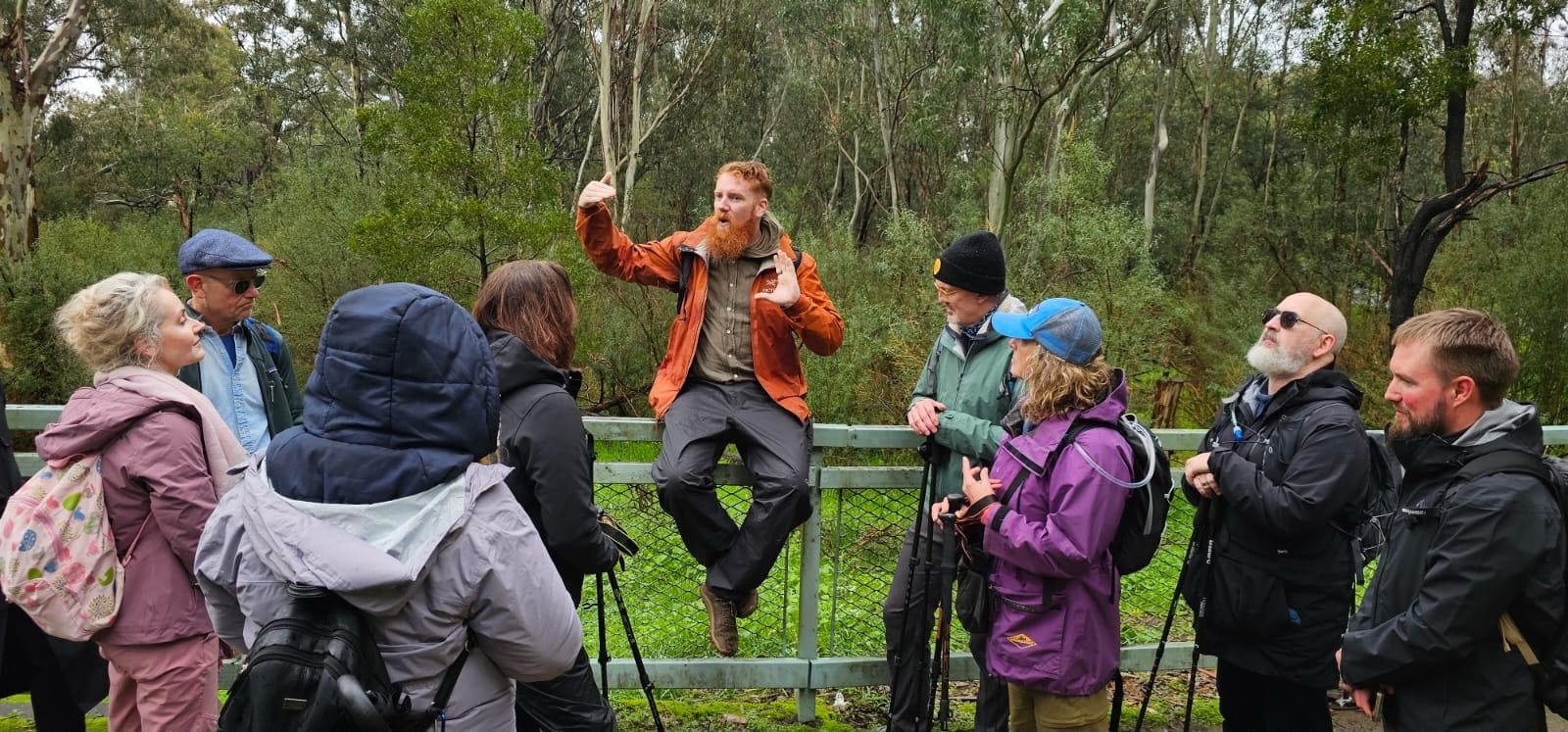
Zora Artis wrote a wondrous piece on her experience of the wizardly riverwalk. I love it because much of the subtler sensibilities that go into hosting an emergent and poetic experience were acknowledged and appreciated. A sample: “For me, the value of the riverwalk was in paying attention, hearing perspectives I might never otherwise have encountered, adapting together as the conditions changed, and walking with questions whose value wasn’t dependent on finding an answer before the day was over.”
Jasmine Malki also shared a wondrous write up—the day after the walk. A sample: “As we walked and talked, I realised how thirsty we all are for this type of non-event. For permission to hold things lightly. To be curious instead of certain. To enjoy poetry. To laugh. To listen. To say, I don't know. To let a conversation go where it wants to go, instead of where the ‘plan’ says it should.”
MBS and I will do something like this again. Will we ever actually complete the walk? Who knows! Stay subscribed if you’d like to join us next time.
PPPPS: New podcast season + a request
I’m bringing a new season to my podcast.
It was once upon a time called “foxwizard ◊ Questing Betwixt”—but we’re in a new chapter, now. This time—despite my proclivity to DELETE previous work as my evolving self shifts into new shapes—this time I am not deleting evidence of my past ineptitude. And so we can continue to look back upon the earnest efforts of my past self as he quested amidst the dark forest (of a meta-crisis insight cascade, and his own dis-and-re-integration) with love/pity/scorn/amusement and some compassion. Maybe! Here’s a tease of the new podcast:
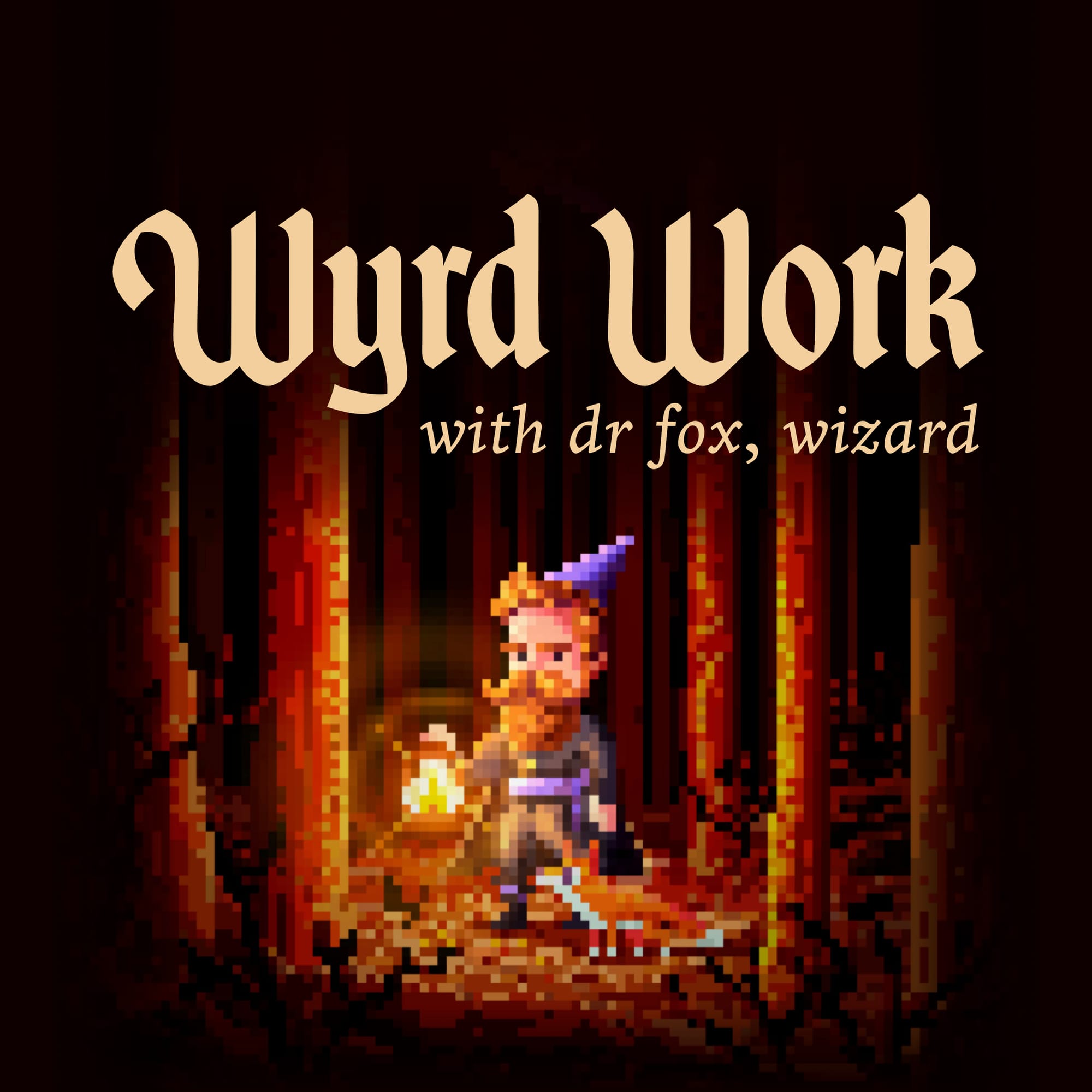
WIT, WISDOM & WILES for living and leading in a time betwixt worlds—a podcast exploring the Wyrd Work of shaping ‘that which is to become.’ Hosted by Dr. Jason Fox (Hall of Fame speaker, author, wizard, rogue), each episode draws upon a bricolage of developmental, mythopoetic and more-than-rational sensibilities, offering practical wisdom and cunning for liminal agents, complexity practitioners—and all who quest for a world more curious and kind (and a future less grim). Themes of power, myth and magic wend through much of this work. Perhaps you are ready?
And if you are subscribed, and have appreciated my work thus far, it would be supremely wonderful of you to leave a generous and positive review. I hold a special place in my heart for the (very) few who have already done so. Positive reviews make it easier for others to find the podcast—and the gods know I already do so much to obfuscate. Your support is greatly appreciated.
Here’s a sketch of a few upcoming episodes (subject to whim!):
- What is “Wyrd Work”?
- What does it mean to have “Wit, Wisdom & Wiles”?
- What is “Liminal Leadership”?
- What is this “Time Betwixt Worlds”?
- What does a “Liminal Agent” do?
- What are “Sensibilities”?
- What are “More-Than-Rational” Sensibilities?
- What are “Developmental” Sensibilities?
- What are “Mythopoetic” Sensibilities?
- What is “Magic”?
- What is “Machine Mode”?
- What is “Mythic Mode”?
- What is “The Infinite Game”?
And you can see, the thrust of this all is quite teacherly. This is a deviation from the more meandering and emergent style of previous episodes. But only slightly so.
I also intend to share conversations with fellow liminal agents and complexity practitioners. Those of us comfortable with the oblique approach. Stay tuned!
PPPPPS: Keynote Wondermancy + “The Skulk”
Five P’s are you mad??
I’ve just had a couple of days working with my friend Leanne Hughes as she crafts a new keynote presentation as her new book Work Fame launches this month. Leanne is a friend who—at a dinner last month in Brisbane along with MBS and friends—lamented to me that I never make any offerings to subscribers. Just offer me something, dammit!
I’ve had the intention to help folks bring more authentic magic to their presentations for years. I taught such things, once upon a time. But then, during the pandemic times (and my protracted dark forest chapter), I didn’t.
Yet the past few days with Leanne have been wondrous. My favourite word.
And so, soon, I shall be offering the opportunity for fellow professional speakers (and executives and educators and influencers) to quicken and catalyse the development of a new keynote presentation.
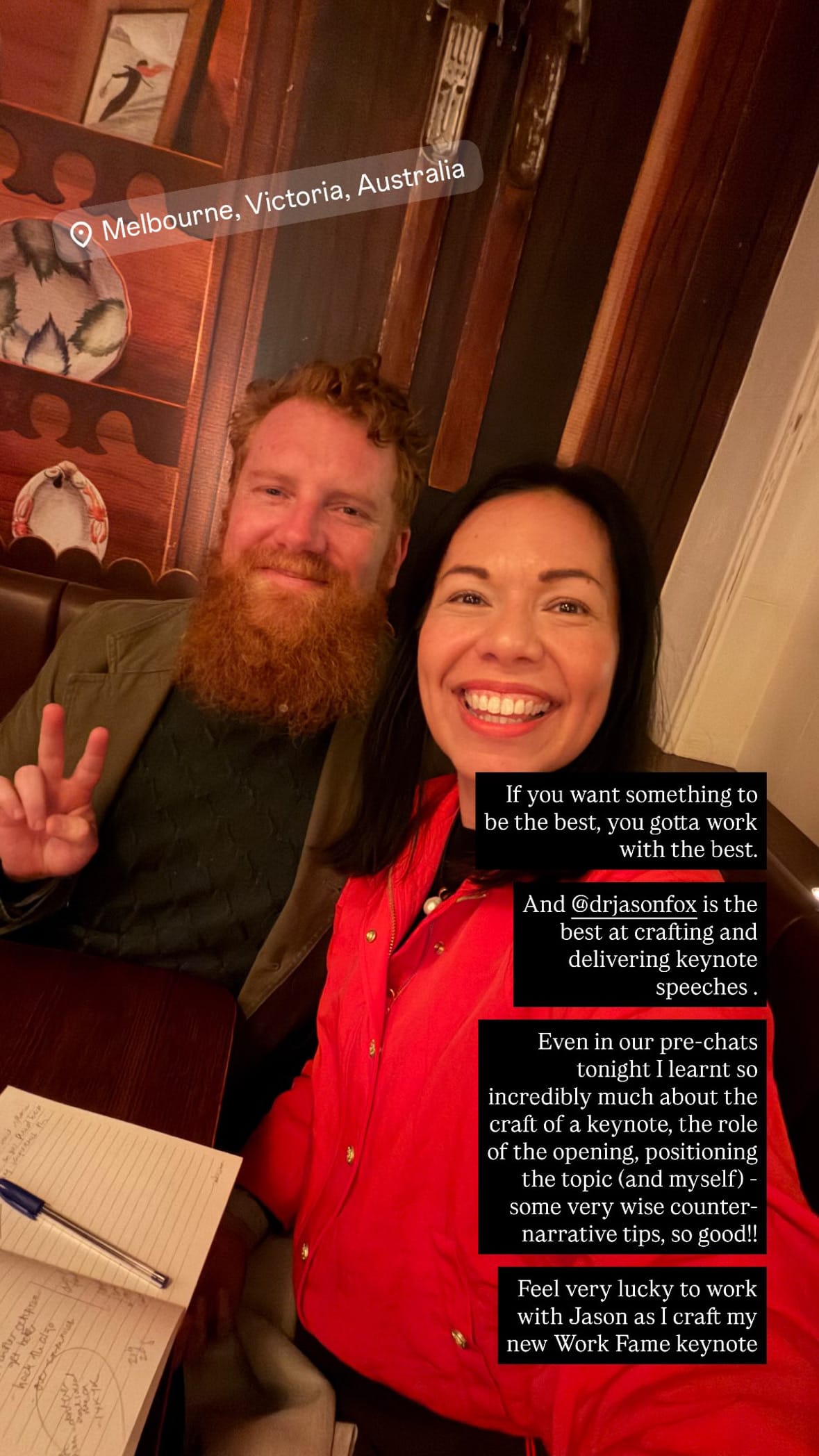
I am very opinionated about keynote presentations, and of the role of a professional speaker generally. You’ll hear more of that in the next museletter, wherein I present thee with An Offering. I’ll also be opening up “The Skulk”—a hideaway, school & guild for liminal agents. Stay tuned for that.
Meanwhile, here’s a short podcast episode Leanne and I recorded earlier today. This is part of her pop-up podcast happening in the lead up to the launch of Work Fame. Both Leanne and I are advocates for the intimacy and warmth of audio-only podcasts; enjoy!
As ever, thank you for reading and sharing with people you love. ❦
Member discussion